
Same as it ever was
The poverty cycle and why Black women been catching hell since WWII

When you stay ready, you ain’t got to get ready and I read Black novels all year every year, but it is Black History Month so I thought I’d read a Black classic that I’d never read before. I picked up Ann Petry’s The Street from a TikTok recommendation from a mutual (it might have been Jina ). I picked up the book on Hoopla using my library card (get a digital one, you won’t regret it). It has a forward by Tayari Jones who lives in Atlanta and I love because she wrote Silver Sparrow, my go to recomendation for anyone who is in a slump or hasn’t read anything since high school (it gets the people going!). I always save the forward for my after I’ve read it snack. There are usually spoilers and I wanted to go in blind.
THE STREET follows Lutie Johnson, a beautiful Black woman in her 20’s who is trying to move out of her dilapidated apartment because it’s filled with prostitutes and a lurid, scheming Super. She’s only there because she can’t stay with her father who runs a bootlegging house and she thinks it’s going to be a bad influence on Bub, her 8 year old. This desperation to find a better job and a better life is all consuming.
“From the time she was born, she had been hemmed into an ever-narrowing space, until now she was very nearly walled in and the wall had been built up brick by brick by eager white hands.”
This is a book about race, but it is mostly about how poverty in America shows up when refracted through race and gender. Native Son was written a few years before and it’s included in the list of books that kids read in high school when they finally get to a class with classic literature, IF they get to a class with classic literature, but I agree with Jones when she says that we’re missing context if we don’t read THE STREET along with NATIVE SON. American education loves an angry man, and I think NATIVE SON, even with its accolades, plays into some stereotypes about men and especially Black men and that plays into it’s popularity. THE STREET, on the other hand upends MORE of the ideas that America likes to have about itself.
And while you were out working to pay the rent on this stinking, rotten place, why, the street outside played nursemaid to your kid. The street did more than that. It became both mother and father and trained your kid for you, and it was an evil father and a vicious mother, and, of course, you helped the street along by talking to him about money.
Lutie has this underlying hope that if she works hard that she’ll be able to change her circumstances. It’s the American dream, but we see her strive and be hit with barrier after barrier, and the road blocks aren’t even catastrophic until the third act, they’re just the small hurdles that workaday people encounter and yet they might as well be mountains when you’re poor. She’s also beautiful (and let’s remember this is the 40’s) and America treats beauty as currency — if you’re white. For Lutie, her beauty makes her suspicious at her housekeeping job, lest she tempt the Dad. It makes her the object of obsession for the Super and other things (read the book).
Lutie absolutely has her own personality, but she’s an avatar. She’s a stand-in for all of the people working and striving to break out of the rat race who have no chance of making it. She’s rooted firmly in her Blackness, but she could be white in West Virginia or Native on a reservation and the beast of poverty has got them all by the heels and I’m not sure people want to face the American dream head on like that. It would spur you to act or drive you mad.
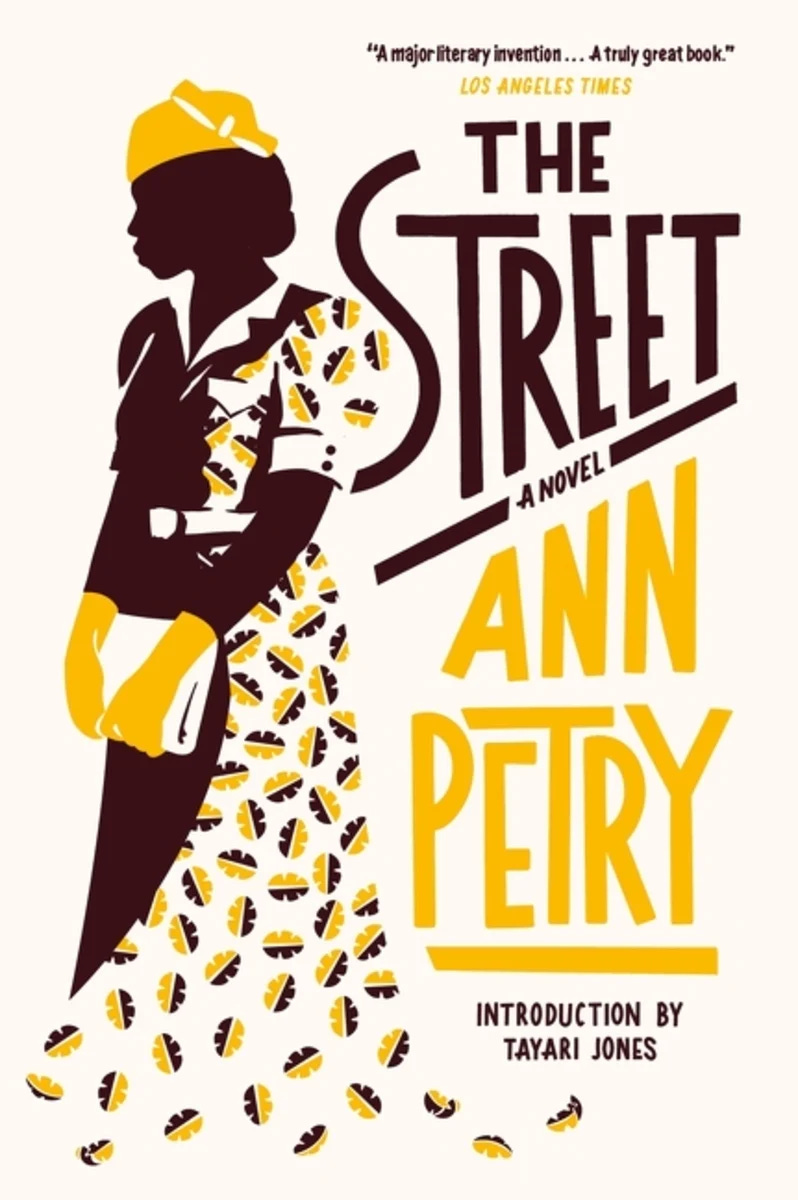
Ann Petry’s The Street - Buy Here
SPOILERS!!
I had a growing anxiety as I kept reading because with the canon it’s inevitable that someone is going to die or be raped or both. Fortunately, all of our main characters make it out alive, but the street gets them. It was the monster chasing them the entire novel and it catches up because that’s the reality of the situation and this is not a fairy tale. This is not a rom-com where everything is sown up in the end. I had my hopes she would be able to sing and get a few dollars to get Bub a babysitter at the very least before it all came crashing down, but then the novel wouldn’t be saying what it’s saying right?
I think it’s ironic that the documentary about America’s Next Top Model came out the same weekend that I finished, because I saw some Luties in the cast. These are girls grasping for a dream that they had almost zero chance of getting because of poverty. I think of Shandi who was working at Walgreen’s with no family support. She had the look to do well as a model, but that would mean money to stay in NYC for as long as it would take to establish herself in the industry and she didn’t have it. She would never have it as long as she has to pay rent in her small town. ANTM was her only chance. America likes to lie and say that everyone has the same 24 hours a day and if you’ve got the look, the talent or the idea you’ll make it out, but it’s not true. There are great creative minds, medical visionaries, engineering wunderkinds pushing carts at your local grocery store, because opportunities cost money and if you don’t have the cash you don’t get them.
In the text, Lutie talks often about passing the next level of the civil service exam. She would have to have time to study, which she doesn’t have because she works too many hours and she would need the money to sit for the test as well. We don’t know how good her education was. We do know that Bub’s teacher barely teaches because she hates Harlem and the kids, and their aching poverty and wishes she’d get transferred. It’s a cycle and the novel does an absolutely stunning job of showing it.
More…
Here’s another recommendation for your TBR. I know your list is long, but this one is important. You may have seen some of the backlash on Mychal, The Librarian about him being open and honest about his suicidal ideation. If you want a book that deals with mental health struggles with a Black protagonist, try this one.
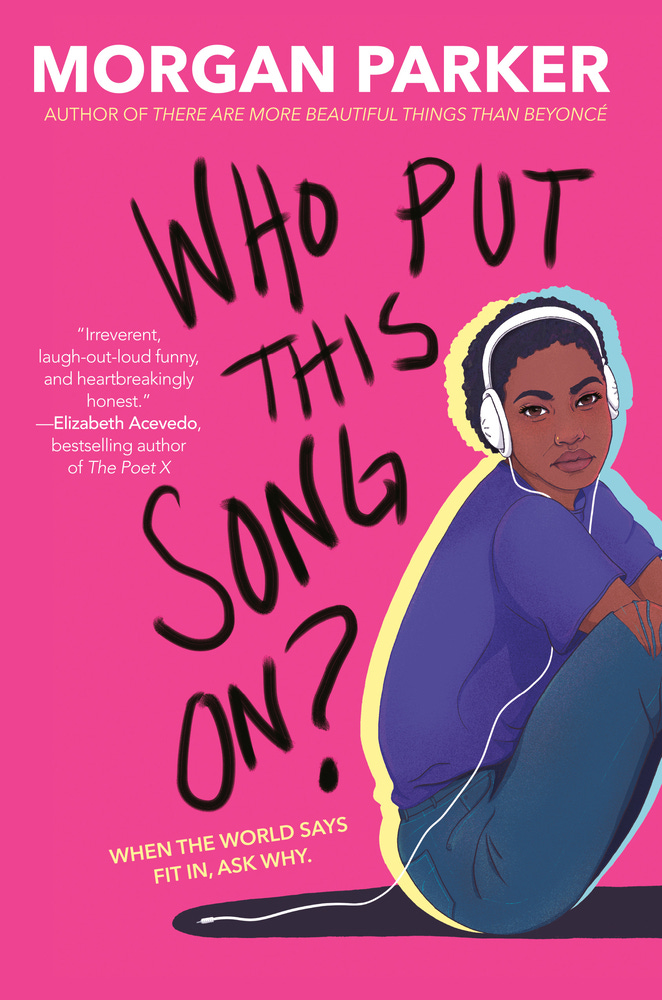
Trapped in sunny, stifling, small-town suburbia, seventeen-year-old Morgan knows why she's in therapy. She can't count the number of times she's been the only non-white person at the sleepover, been teased for her "weird" outfits, and been told she's not "really" black. Also, she's spent most of her summer crying in bed. So there's that, too.
Lately, it feels like the whole world is listening to the same terrible track on repeat--and it's telling them how to feel, who to vote for, what to believe. Morgan wonders, when can she turn this song off and begin living for herself?
Loosely based on her own teenage life and diaries, this incredible debut by award-winning poet Morgan Parker will make readers stand up and cheer for a girl brave enough to live life on her own terms--and for themselves.
Buy: Who Put this Song? on by Morgan Parker